Debt and credit management are two of the most important pillars of financial stability. Yet for many people, these areas are misunderstood or oversimplified. Paying your bills on time is not enough. True mastery involves understanding the psychology of debt, the mechanics of credit scores, the power of negotiation, and the ability to strategically use credit as a tool for growth rather than as a trap. This guide explores debt and credit management in depth. It provides strategies that go beyond the obvious, showing how to transform debt from a burden into a stepping stone toward financial freedom.
Rethinking Debt and Credit
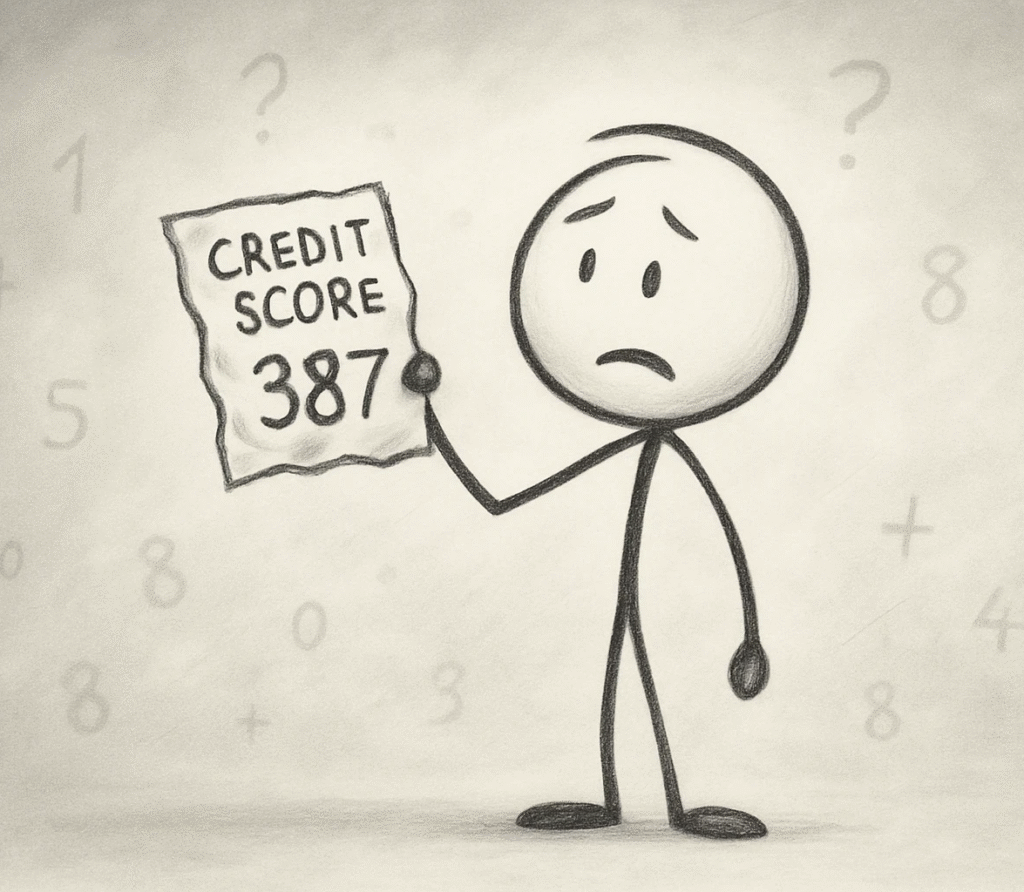
Debt has always carried a negative reputation, but not all debt is harmful. The key to debt and credit management lies in understanding the difference between debt that builds wealth and debt that erodes it. A mortgage that allows you to own property, a business loan that funds a profitable idea, or a student loan that increases future earning power can be seen as productive debt. On the other hand, high-interest credit card balances or loans used for temporary consumption create financial strain with no lasting benefit.
By categorizing debt this way, you begin to see that the issue is not simply the amount owed but the role that debt plays in your financial journey. Productive debt, when managed carefully, can generate future income or assets, while unproductive debt locks you into cycles of repayment with no return. This mindset shift is the foundation of effective debt and credit management.
The Real Cost of Debt: Beyond Interest Rates
When most people think about the cost of debt, they focus only on the interest rate. While interest matters, the bigger picture is the opportunity cost. Every dollar directed toward debt repayment is a dollar that could have been invested or saved to generate returns. For example, paying $300 a month toward credit card debt may feel like progress, but stretched over five years, that $18,000 could have been the seed for a down payment on a house, or invested to double in value through compounding.
Debt and credit management require you to see money not only as numbers on a statement but as a resource with potential. Carrying debt is not just about paying extra interest; it also represents the opportunities you sacrifice. The faster you regain control, the sooner you can redirect your cash flow into wealth-building channels.
Building and Protecting Your Credit Profile
Credit scores are more than numbers that determine whether you qualify for loans. They are reputations written in financial data. Employers, landlords, insurers, and even potential business partners may review your credit history. This makes credit and debt management a life skill, not just a financial one.
Maintaining a strong credit profile requires consistency but also strategy. Many people know they should pay on time and keep balances low, but few understand how many factors, like the age of credit accounts, the mix of loan types, or the frequency of applications, influence their score. Closing an old credit card, for example, can unintentionally shorten your credit history and lower your score. Likewise, relying only on one type of credit, such as credit cards, may signal limited experience to lenders. By actively shaping how you use credit, you position yourself for better loan terms and wider opportunities.
The Power of Negotiation in Debt Management
A little-known but powerful aspect of debt and credit management is negotiation. Lenders and creditors are not as rigid as many assume. If you have maintained a consistent payment record, credit card companies often reduce your interest rate if you simply call and request it. Balance transfer options can move debt from high-interest accounts to promotional zero-percent cards, buying you time to pay down the principal faster.
In times of hardship, such as job loss or medical emergencies, many lenders have programs that temporarily reduce or pause payments. Unfortunately, most borrowers never ask. By being proactive and treating creditors as business partners rather than adversaries, you can often reshape repayment terms in your favor. Negotiation is not about escaping responsibility; it is about managing it intelligently.
The Emotional and Psychological Side of Debt
Debt not only affects your bank account, but it also affects your mind. Carrying large amounts of debt often creates stress, guilt, and avoidance behaviors. These emotions can lead to poor decisions, such as ignoring statements or continuing to overspend.
Debt and credit management must therefore address psychology as much as mathematics. Techniques like the snowball method, where you pay off the smallest debts first, create quick emotional wins that build momentum. The avalanche method, focusing on the highest-interest debts, maximizes savings, though it may take longer to feel progress. A hypothesis that combines early motivation with financial efficiency often works best. Debt management is as much about building confidence as it is about reducing balances.
Preparing for Emergencies with Credit and Debt Management
Financial emergencies expose weaknesses in debt and credit management. Unexpected medical bills, layoffs, or accidents can quickly push even responsible people into deeper debt. The solution is to anticipate these events before they occur. A well-funded emergency account of three to six months’ worth of expenses provides the first line of defense.
Equally important is having backup credit sources that are safe to access. A personal line of credit with a low rate is far more sustainable than payday loans or high-interest cash advances. Insurance, whether health, disability, or property, is another shield against sudden debt spikes. Without these safeguards, emergencies become financial disasters. With them, they are manageable setbacks.
Technology as a Debt Management Partner
Technology has made debt and credit management easier than ever. Budgeting apps can link directly to bank accounts, categorize spending, and send alerts when you overspend. Debt payoff calculators show in real-time how much interest you save by adding even small extra payments. Credit monitoring services provide immediate notifications of score changes or suspicious activity, helping protect against identity theft.
Automating payments eliminates the risk of late fees and protects credit history. The more consistent your habits, the stronger your credit profile becomes. By letting technology handle routine tracking and reminders, you free up mental space to focus on larger strategies.
Using Credit as a Wealth-Building Tool
Many people view credit purely as a means of spending. In reality, credit can be a powerful wealth-building tool when managed wisely. Entrepreneurs often rely on business credit lines to fund operations, taking advantage of low rates to grow revenue faster than the cost of borrowing. Real estate investors leverage mortgages to own property that appreciates in value while tenants cover loan payments. Even carefully chosen credit cards can offer perks like travel insurance, purchase protection, or cashback that provide genuine savings.
The difference between reckless borrowing and strategic borrowing lies in planning. When the returns from using credit outweigh the costs, debt becomes a tool rather than a burden. This is the highest level of credit and debt management, using financial leverage to expand opportunities rather than limit them.
Avoiding Common Debt Traps
Not all credit products are designed to help you. Some exist primarily to trap borrowers. Payday loans, for instance, often carry annual percentage rates above 300 percent, making them nearly impossible to repay without spiraling deeper. Rent-to-own financing spreads payments across small weekly amounts but hides an inflated total cost. Even the structure of minimum credit card payments is designed to extend repayment over decades.
Awareness is the best defense. Debt and credit management means avoiding these traps altogether, not trying to dig out after falling in. Choosing mainstream, transparent credit products with reasonable terms is a safer and more sustainable path.
The Truth About Credit Repair
Another trap comes in the form of credit repair scams. Companies often promise quick fixes to your credit score for large fees, but there is no legal shortcut. Real credit and debt management involves steady behavior, not magic solutions. Disputing genuine errors on your credit report is valuable, but fabricating claims or paying others to do so can make matters worse. True improvement comes from consistent on-time payments, keeping balances low, and maintaining healthy accounts over time.
From Survival to Freedom
Ultimately, the purpose of debt and credit management is not just to survive. It is to achieve freedom. With controlled debt and strong credit, you gain access to lower interest rates, better loan terms, and financial opportunities that others may be locked out of. More importantly, you reduce the stress that debt creates and gain the confidence to pursue investments, business ventures, or personal goals.
Financial freedom is not about never using credit. It is about mastering it. The earlier you adopt this mindset and the more consistently you practice it, the stronger and more secure your financial future will be. Start small and build your way to financial freedom.
Pingback: How to Break the Cycle of Overspending - boldlyfrugal.com